AZEE Branding Solutions
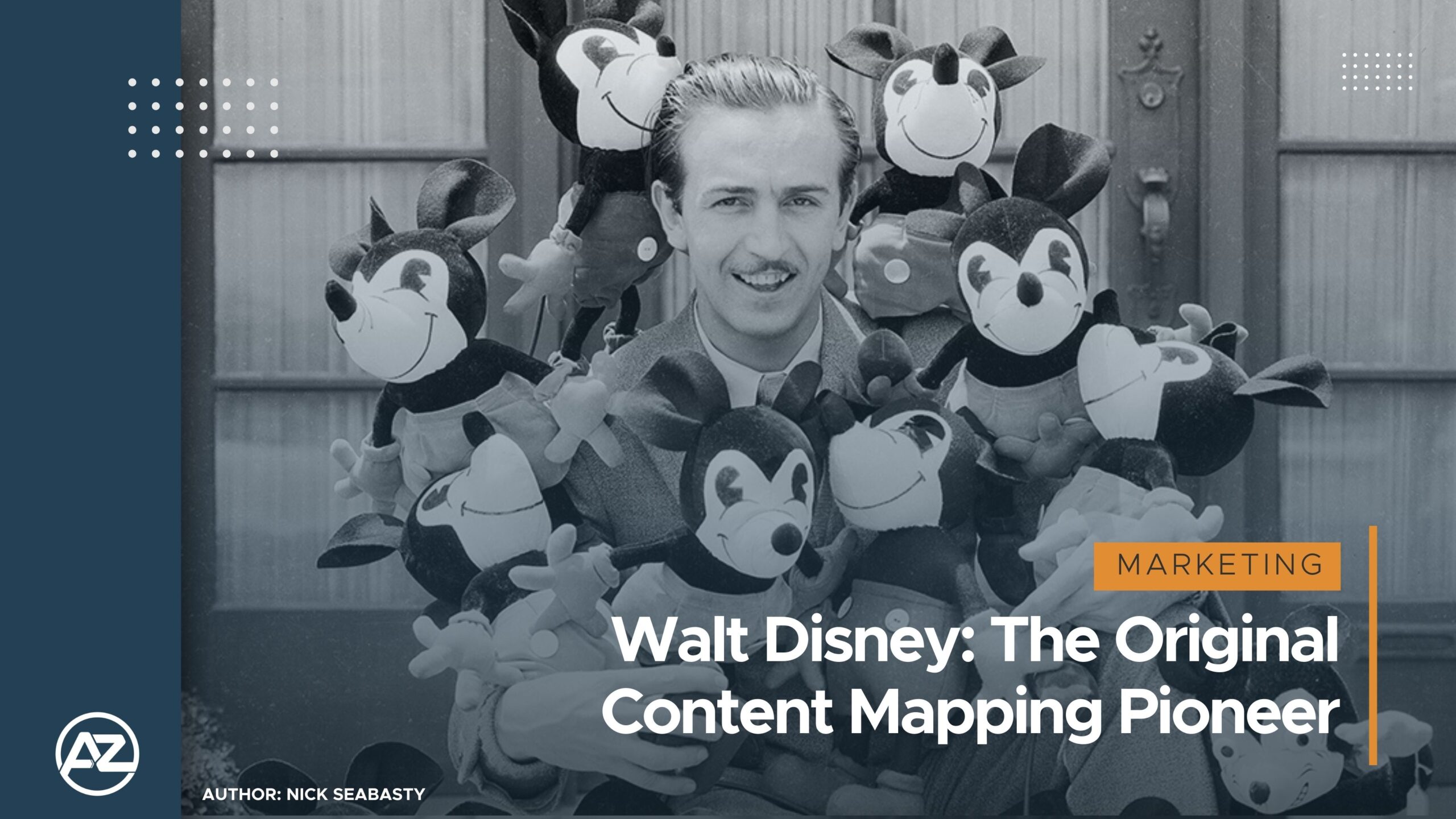
Walt Disney’s name is synonymous with magic, imagination, and innovation. While most people associate him with beloved children’s movies, his impact reaches far beyond animation. Disney was a visionary whose thinking and creativity have shaped industries from entertainment to marketing. One of his most revolutionary ideas—a 1957 content map he sketched—became the blueprint for how brands today engage audiences across multiple media platforms.
In this article, we’ll explore how Disney’s content mapping not only laid the foundation for modern marketing strategies but also influenced the way blockbuster franchises like Star Wars and the Marvel Cinematic Universe build immersive, interconnected worlds.
The 1957 Content Map: A Vision Ahead of Its Time
In 1957, Walt Disney created a hand-drawn map that visually connected all facets of his growing empire. This map wasn’t just a doodle; it was a comprehensive strategy showing how Disney could use different types of media to support one another. At the center was Disneyland, the ultimate destination. Every piece of content Disney produced—from theatrical releases to merchandise, TV shows, soundtracks, and even magazine publications—worked together to promote the park.
Each line on the map represented a feedback loop: a movie would generate songs for records, which in turn promoted Disneyland rides based on the film. Merchandise kept the characters and stories alive in homes, while TV shows brought the Disney magic into living rooms, enticing viewers to visit the park. This was more than marketing; it was an experience that allowed audiences to engage with the brand on multiple levels.
Disney didn’t call it content mapping, but the concept remains the same. Today, businesses use similar practices to guide customers through a journey across platforms, ensuring every interaction leads to the next.
The Impact on Modern Marketing
Walt Disney’s content map was groundbreaking for its time, but its principles are even more relevant in today’s marketing landscape. Businesses now use content mapping to lead their audiences through carefully curated touchpoints, ensuring every piece of content serves a specific purpose.
Content mapping is about understanding your audience and meeting them where they are—whether through social media, email campaigns, video, or physical experiences. Disney’s original strategy demonstrates how each medium can build on the others, creating a cohesive narrative that captivates audiences and drives conversions.
This approach has been adopted by many industries, but nowhere is it more evident than in blockbuster movie franchises.
Influencing Blockbuster Franchises: From Star Wars to Marvel
The influence of Disney’s content map can be seen in the way modern blockbuster franchises are designed. Take Star Wars, for example. The films themselves are just one part of the story. Viewers are encouraged to dive deeper through animated series, books, video games, merchandise, theme park attractions, and even streaming spin-offs like The Mandalorian.
The Marvel Cinematic Universe (MCU) takes this idea even further. Each movie serves as a chapter in a larger narrative, while TV series like WandaVision and Loki expand the universe. Merchandise, video games, and theme park experiences like Avengers Campus reinforce the story and keep fans engaged between releases.
Both of these franchises thrive because they apply the same principles Walt Disney outlined in his 1957 map. By creating interconnected experiences across multiple platforms, they turn casual viewers into loyal fans who feel like they’re part of the story.
The Man Behind the Magic
What makes Walt Disney’s legacy so extraordinary is his ability to think beyond the obvious. He wasn’t content to simply create cartoons; he envisioned a world where his stories could come to life in ways people had never imagined. His creativity extended far beyond children’s movies, influencing architecture (think Disneyland and EPCOT), technology (he pioneered animatronics and immersive attractions), and even corporate strategy.
Disney’s ideas were always ahead of their time. He understood the power of storytelling and its ability to forge emotional connections. This understanding laid the groundwork for countless industries, proving that creativity and strategy aren’t mutually exclusive—they’re essential partners.
Lessons for Today’s Creators
As someone who’s been deeply inspired by Disney’s wonder, I see his content map as more than a marketing tool—it’s a reminder of what’s possible when creativity meets strategy. For businesses, the takeaway is clear: great content isn’t created in isolation. It’s part of a larger ecosystem that guides audiences, keeps them engaged, and builds lasting loyalty.
Whether you’re a small brand or a global powerhouse, the principles of Disney’s content map remain the same. By understanding your audience and creating interconnected experiences, you can transform your content into something that not only entertains but also inspires and drives action.
At AZEE Branding Solutions, we believe in using creativity and strategy to tell stories that resonate. Just like Disney, we aim to create experiences that captivate audiences and leave a lasting impact.
Walt Disney once said, “It’s kind of fun to do the impossible.” With his 1957 content map, he didn’t just imagine the impossible—he created it. And for that, the world is forever changed.

Connect With Us!
Connect with us today to discover how we can help you grow your brand from A to Z
Related Articles
Caitlin Clark Is Out…Now We Find Out If the WNBA Was Ever Really In
AZEE Branding SolutionsThe 2025 WNBA All-Star Weekend will be the moment of truth. It will reveal, for better or worse, whether the WNBA has actually built something sustainable from Caitlin Clark’s once-in-a-generation momentum or whether they’ve simply been riding...
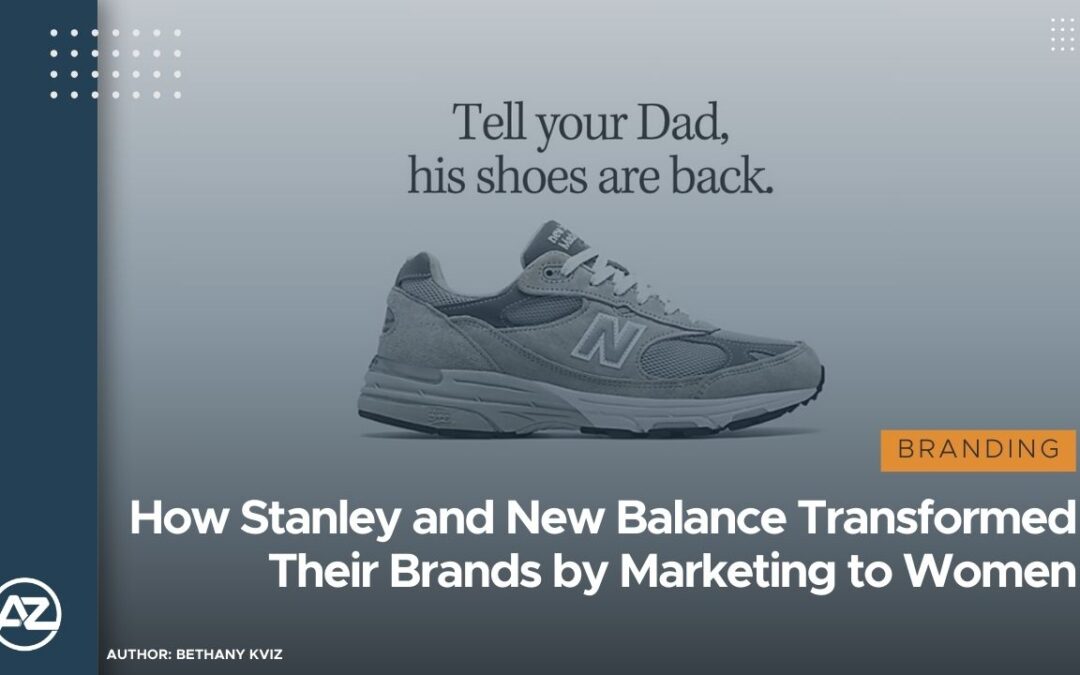
How Stanley and New Balance Transformed Their Brands by Marketing to Women
AZEE Branding SolutionsIn today's fast-paced market, brands that once catered primarily to men have found massive success by shifting their focus to women. Through social media, influencer marketing, and strategic rebranding, companies like Stanley and New Balance...

The NBA All-Star Game Is Broken: Here’s How to Fix It Before Fans Stop Caring
AZEE Branding SolutionsThe NBA All-Star Game, once a thrilling showcase of the league’s best talents, has become little more than a glorified layup line. The lack of defense and competitive spirit has left fans and analysts alike yearning for something more...