
AZEE Branding Solutions
When we talk about iconic brands from the 1990s and early 2000s, there’s one name that every parent and child of that era will instantly recognize: Nick Jr. As the preschool-targeted programming block of Nickelodeon, Nick Jr. had an unmistakable influence on children’s entertainment. From its brilliant use of character-driven branding to its thoughtful and inclusive design, Nick Jr. was a brand that knew exactly how to capture the hearts and minds of both kids and their parents. But what made it so successful? Let’s take a trip down memory lane and break down the genius branding of Nick Jr.
A Warm, Welcoming Logo: Parent and Baby Animals
One of the first things you might remember about Nick Jr. is its unforgettable logo. Unlike Nickelodeon’s famous orange splat, the Nick Jr. logo was softer and more child-friendly, featuring a parent and baby animal pair. These pairs changed frequently, but always carried the same message: Nick Jr. was a space for kids, and it was built with their development in mind. Whether it was a parent and baby elephant, kangaroo, or penguin, this logo perfectly embodied the concept of nurturing, playfulness, and learning.
This clever design choice wasn’t just about creating a cute visual. The parent and baby animals were an unspoken promise to parents, particularly mothers, who were the main audience decision-makers for preschool programming. The logo communicated that Nick Jr. was a safe, educational space where children could be entertained and educated. It was especially appealing to both stay-at-home and working moms, reassuring them that their kids were in good hands, even if they couldn’t always be in the room watching TV with them.
The Genius of Face: A Friendly Guide Through the Day
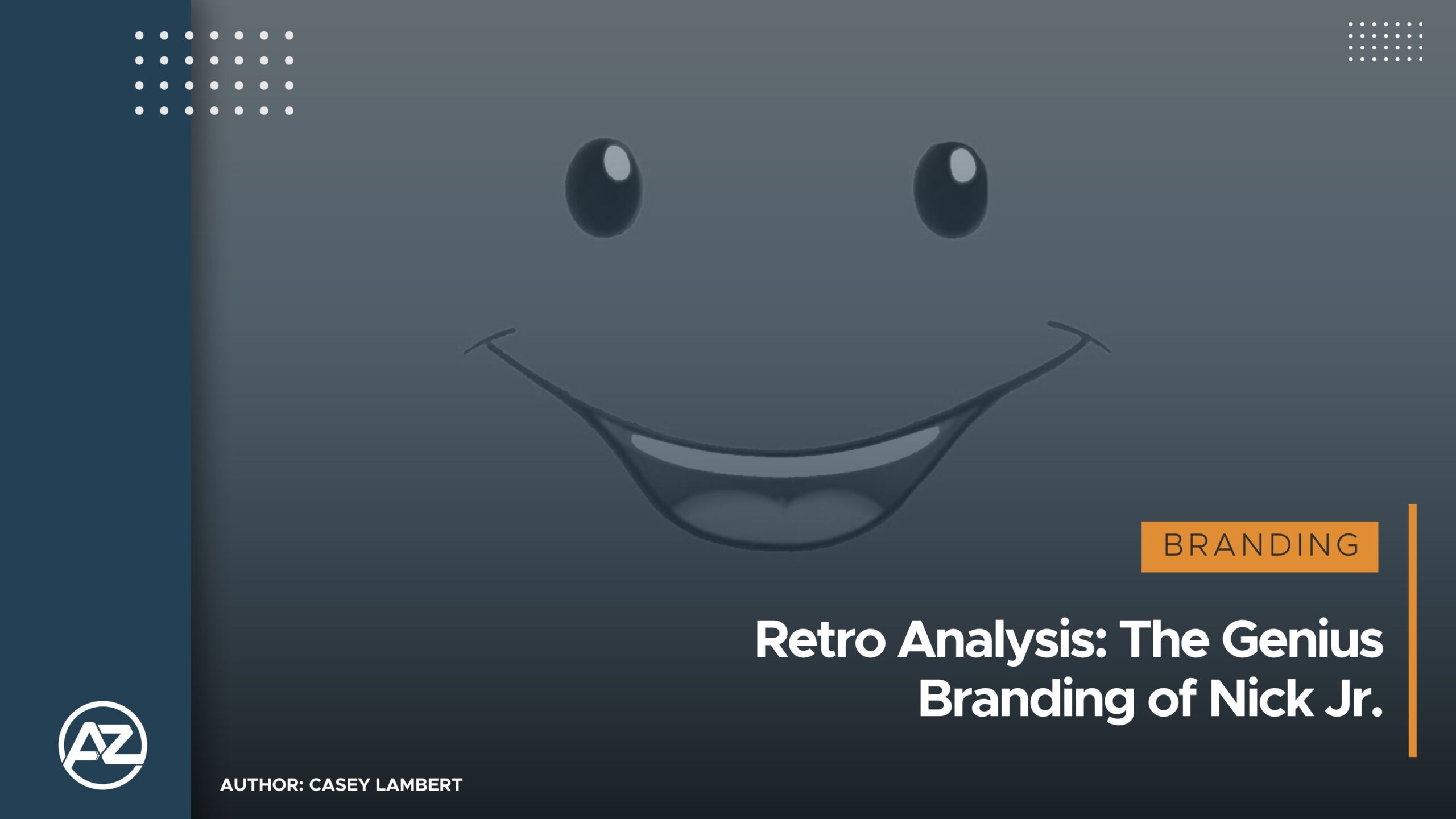
One of Nick Jr.’s most iconic branding elements was its beloved character, Face. Face wasn’t just a character; he was the unofficial mascot of the channel and the guide for every child watching. His simple, brightly colored face—complete with expressive eyes, a big smile, and a childlike voice—was the perfect companion for preschoolers.
Face facilitated transitions between shows, commercial breaks, and educational segments. His role was more than just a filler; he served as a bridge between different segments of programming, helping children feel comfortable and familiar with the channel’s format. His personality was friendly, cheerful, and comforting, which made him feel more like a friend than just a character on the screen. Every “Hi there, Face here!” greeting felt like a personalized welcome to the day’s programming.
Nick Jr. knew that preschoolers thrive on routine and predictability, so Face became an anchor that made them feel safe and reassured. His simple design and gentle voice made him easy for young children to recognize and love. But what’s even more brilliant is how Face worked on a deeper level to keep young viewers engaged. He wasn’t a show unto himself; instead, he was a consistent, welcoming figure who made children feel like they were part of a larger community of Nick Jr. fans.
Understanding Their Audience: Moms
Nick Jr. understood its audience better than most brands of its time. The programming and branding were primarily aimed at preschoolers, but Nick Jr. was also very aware of the secondary audience: parents, specifically moms. In the 1990s and early 2000s, whether moms were working or staying at home, they played a significant role in choosing what their children watched. Nick Jr.’s soft, inviting brand image, complete with educational elements, reassured parents that their kids weren’t just being entertained—they were learning, too.
The parent-baby animal logo was a direct nod to this relationship, reinforcing that Nick Jr. was a space where parents and children could connect. By building this trust with parents, the channel earned a reputation for being a reliable, wholesome brand that catered to both the developmental needs of preschoolers and the expectations of parents.
Educational Yet Entertaining Content
Nick Jr. balanced the tricky act of being both educational and entertaining, and that balance was key to its long-term success. Shows like Blue’s Clues, Dora the Explorer, and Little Bear were designed not only to entertain but also to encourage critical thinking, creativity, and problem-solving. This wasn’t just content to fill time; it was thoughtfully curated programming designed to help children grow and develop.
For example, Blue’s Clues pioneered a unique approach by breaking the fourth wall and directly engaging with its young audience, encouraging kids to solve problems and feel like they were part of the adventure. Shows like Dora the Explorer integrated bilingual education into the mix, exposing young viewers to basic Spanish vocabulary. These educational elements, wrapped in fun storytelling, made Nick Jr. stand out from other networks that focused solely on entertainment.
The Appeal to Working and Stay-at-Home Moms
Nick Jr. understood that their target demographic wasn’t just the children, but the parents who controlled what went on the TV screen. In the 1990s and early 2000s, whether moms were staying at home or working full-time, they wanted programming that was educational and valuable for their kids. Nick Jr. met that need perfectly. The channel created content that made moms feel good about letting their kids watch TV, knowing that they were absorbing valuable life lessons, learning basic educational skills, and even practicing social interactions.
Whether a mom was putting Nick Jr. on during breakfast or using it as an afternoon break to entertain the kids, the channel became a trusted partner in households across America. The friendly, nurturing vibe made it feel like a safe choice for any situation.
The Lasting Legacy of Nick Jr.’s Branding
What makes the branding of Nick Jr. truly genius is its simplicity, relatability, and thoughtfulness. By creating an environment that was warm, welcoming, and educational, Nick Jr. built a brand that resonated with children and parents alike. Characters like Face and the parent-baby logo were more than just icons; they became symbols of trust and reliability for millions of families.
Looking back, it’s clear that Nick Jr. was far ahead of its time in understanding how to connect with its audience on multiple levels. It wasn’t just about great shows—it was about creating a community where children felt engaged and parents felt reassured. And that, in the world of branding, is a legacy that continues to inspire.

Connect With Us!
Connect with us today to discover how we can help you grow your brand from A to Z
Related Articles
Caitlin Clark Is Out…Now We Find Out If the WNBA Was Ever Really In
AZEE Branding SolutionsThe 2025 WNBA All-Star Weekend will be the moment of truth. It will reveal, for better or worse, whether the WNBA has actually built something sustainable from Caitlin Clark’s once-in-a-generation momentum or whether they’ve simply been riding...

How Stanley and New Balance Transformed Their Brands by Marketing to Women
AZEE Branding SolutionsIn today's fast-paced market, brands that once catered primarily to men have found massive success by shifting their focus to women. Through social media, influencer marketing, and strategic rebranding, companies like Stanley and New Balance...

The NBA All-Star Game Is Broken: Here’s How to Fix It Before Fans Stop Caring
AZEE Branding SolutionsThe NBA All-Star Game, once a thrilling showcase of the league’s best talents, has become little more than a glorified layup line. The lack of defense and competitive spirit has left fans and analysts alike yearning for something more...