AZEE Branding Solutions
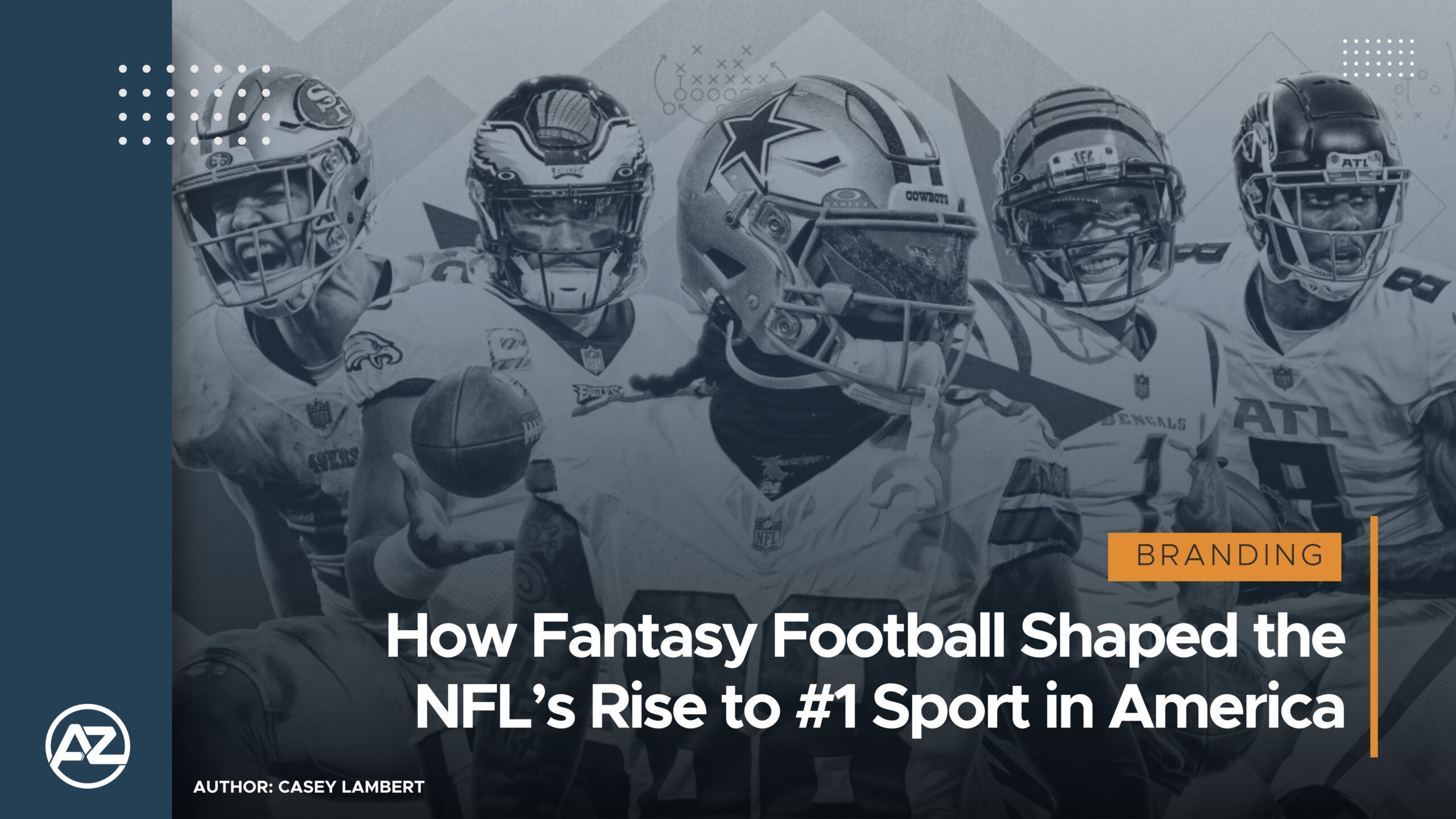
Hey there, football fanatics! Casey Lambert here, your go-to branding expert from AZEE Branding Solutions, where we help grow your brand from A to Z. Today, we’re diving into something that’s not just a game but a cultural phenomenon—Fantasy Football. We’re peeling back the layers to explore how fantasy football became more than just a pastime, how it became a part of everyday life for the regular guy, and, believe it or not, how it played a crucial role in propelling the NFL to the top spot as America’s #1 sport. So, grab your helmets, and let’s huddle up!
A Brief History of Fantasy Football
Let’s kick things off with a little history lesson. Fantasy football was born in the early 1960s, but it wasn’t until the internet era in the late 1990s and early 2000s that it really took off. The introduction of online platforms like Yahoo Sports and ESPN made it easier than ever to join a league, draft players, and track your team’s performance in real-time. What once required hours of manual stat-tracking could now be done with just a few clicks.
By 2003, around 15 million people were playing fantasy football. But the real explosion came in the late 2000s. Between 2007 and 2014, the number of fantasy football players in the U.S. nearly doubled, growing from 19 million to over 33 million. By 2019, that number had soared to around 60 million, according to the Fantasy Sports & Gaming Association. That’s right—nearly 60 million people in America were drafting teams, making trades, and watching games with bated breath every Sunday. And that’s just in the U.S.!
The Genius Branding Behind Fantasy Football
Now, let’s talk branding. What made fantasy football so irresistible to the everyday man? First off, it’s all about control. Fantasy football gives fans the power to build and manage their own teams, to make decisions that can lead to victory or defeat. It’s the ultimate way to feel connected to the sport you love.
The branding behind fantasy football was genius in that it was marketed as accessible and inclusive. You didn’t have to be a die-hard football expert to join a league—all you needed was a love for the game. The platforms were designed to be user-friendly, with simple interfaces and tons of content to help even the most casual fan get into the game. And let’s not forget about the community aspect. Fantasy football brought people together, from office colleagues to old friends reconnecting. It turned watching football from a solitary experience into a shared event.
The Role of Social Media in Fantasy Football’s Growth
The growth of fantasy football also played perfectly into the rise of social media. The 2000s saw the emergence of platforms like Facebook and Twitter, where fantasy players could talk smack, share insights, and brag about their victories. This digital camaraderie helped fantasy football embed itself into the daily lives of millions, making it a social experience as much as a sporting one.
How Fantasy Football Boosted NFL Viewership
So, how did all this fantasy football fever help the NFL? Let’s start with viewership. Fantasy football players watch more games. According to research by the Fantasy Sports Trade Association, 63% of fantasy players report watching more NFL games because of their fantasy teams. And it’s not just about watching your favorite team anymore—you’re watching games you wouldn’t normally care about, all because you have a player in that matchup.
This increased viewership translated into more advertising revenue for networks and the NFL itself. The league quickly recognized the value of fantasy football, and by the mid-2000s, they were fully embracing it. They began integrating fantasy stats into broadcasts, creating fantasy-centric content, and even launching their own fantasy football platform in 2010.
Deepening Fan Engagement Through Fantasy Football
But it’s not just about the money. Fantasy football also deepened fan engagement. It made every game matter, every play important. Fans weren’t just rooting for their team to win; they were following individual players across the league. This not only helped the NFL grow its overall fan base but also created more die-hard fans who were invested in the league week in and week out.
The Future of Fantasy Football and the NFL
As we look ahead, the bond between fantasy football and the NFL seems stronger than ever. With advancements in technology, we’re seeing the rise of daily fantasy sports and even more sophisticated platforms that keep fans engaged all year round. The NFL continues to innovate with fantasy integrations in their broadcasts, apps, and marketing strategies, ensuring that fantasy football remains a core part of the fan experience.
Lessons for Brands from Fantasy Football’s Success
But what’s the takeaway here for brands? Fantasy football’s success story is a masterclass in creating an accessible, engaging, and community-driven product. It’s about meeting your audience where they are and giving them a sense of ownership and connection. Whether you’re in the sports world or not, these principles can help your brand grow from A to Z.
The Impact of Fantasy Football on American Culture
And there you have it—the brand behind fantasy football and its monumental impact on the NFL. What started as a niche hobby is now an integral part of American culture and has played a key role in making the NFL the powerhouse it is today. So, next time you set your lineup or trash-talk your buddy in the group chat, remember—you’re part of something much bigger. Thanks for reading, and Goooooo Lions!

Connect With Us!
Connect with us today to discover how we can help you grow your brand from A to Z
Related Articles
Caitlin Clark Is Out…Now We Find Out If the WNBA Was Ever Really In
AZEE Branding SolutionsThe 2025 WNBA All-Star Weekend will be the moment of truth. It will reveal, for better or worse, whether the WNBA has actually built something sustainable from Caitlin Clark’s once-in-a-generation momentum or whether they’ve simply been riding...
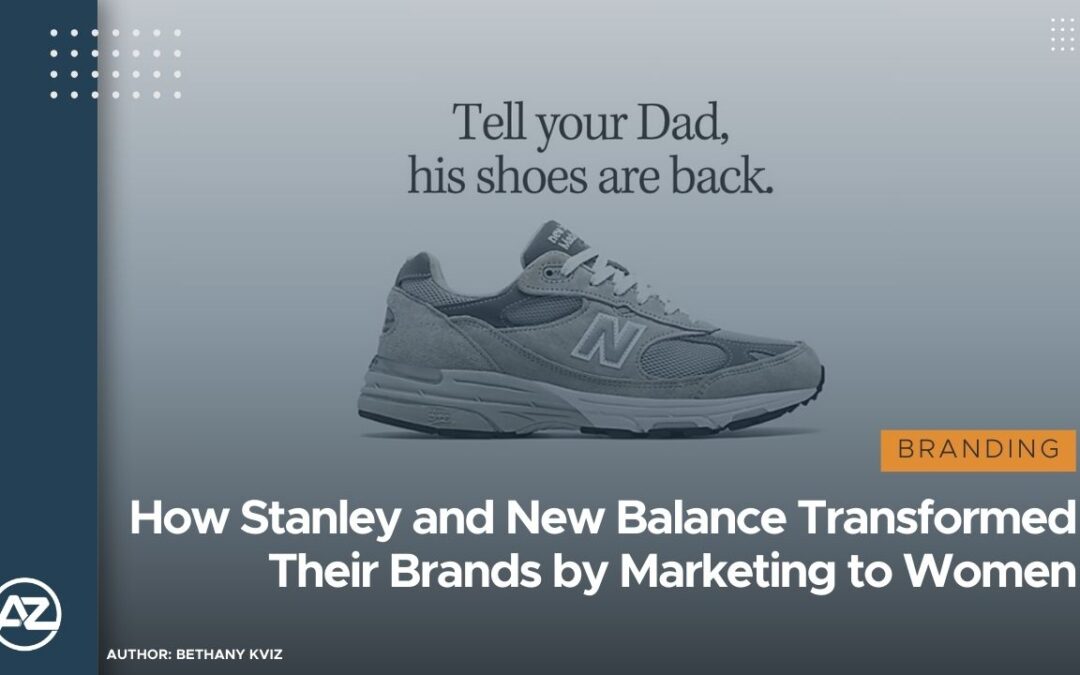
How Stanley and New Balance Transformed Their Brands by Marketing to Women
AZEE Branding SolutionsIn today's fast-paced market, brands that once catered primarily to men have found massive success by shifting their focus to women. Through social media, influencer marketing, and strategic rebranding, companies like Stanley and New Balance...

The NBA All-Star Game Is Broken: Here’s How to Fix It Before Fans Stop Caring
AZEE Branding SolutionsThe NBA All-Star Game, once a thrilling showcase of the league’s best talents, has become little more than a glorified layup line. The lack of defense and competitive spirit has left fans and analysts alike yearning for something more...