AZEE Branding Solutions
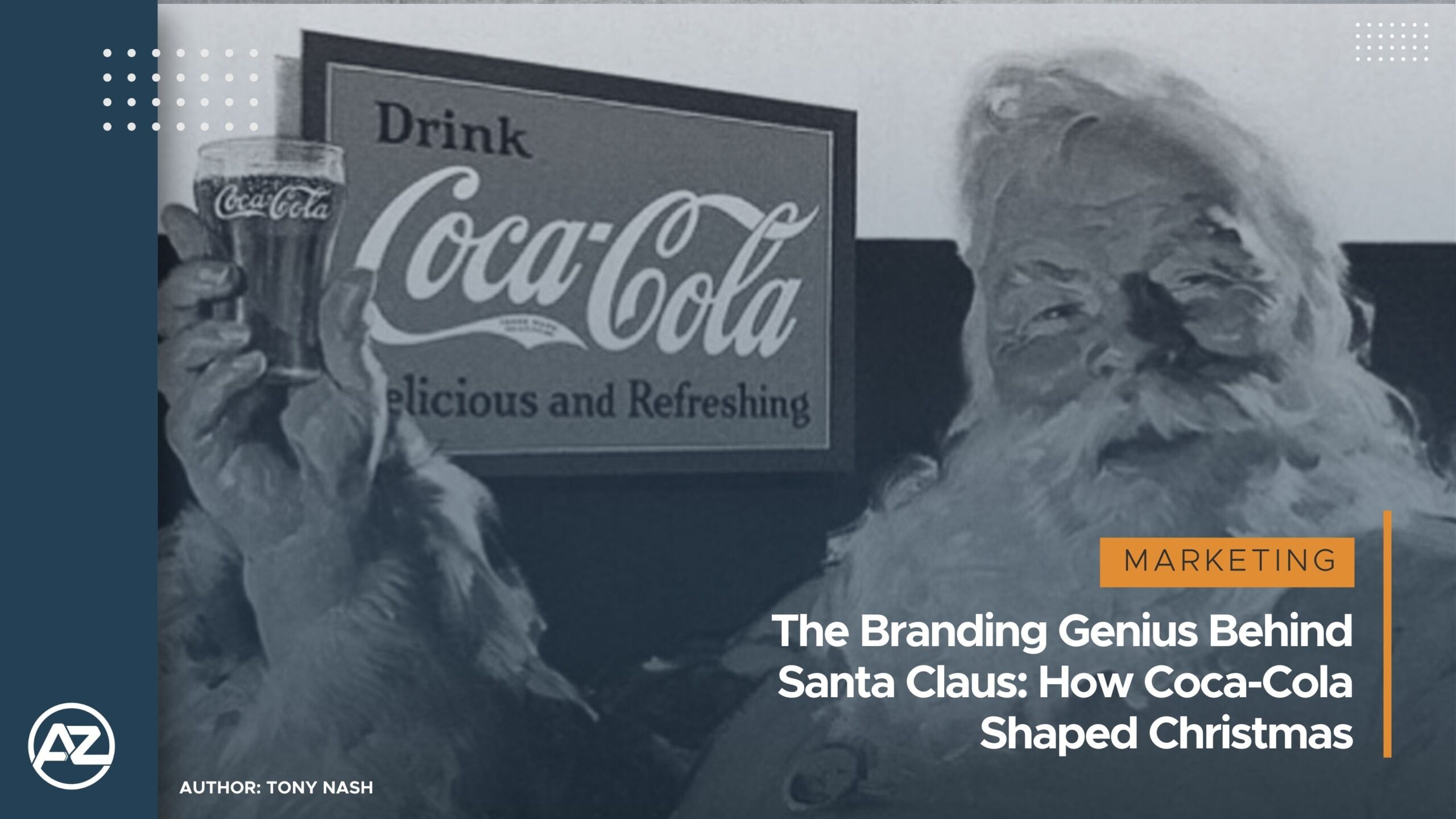
Did you know that the jolly, red-suited Santa Claus we all know and love wasn’t always this way? In fact, his iconic look was shaped by a Coca-Cola marketing campaign in the 1930s. That’s right—Coca-Cola didn’t just sell soda; they reimagined Christmas itself, and the reason why they did it is just as brilliant as the result.
Let’s rewind to the early 1930s. It was the height of the Great Depression, and Coca-Cola, like many companies, was looking for ways to boost sales in tough economic times. But there was another challenge—they needed to sell soda during the winter months, a time when people traditionally associated soft drinks with warm weather.
Coca-Cola needed a way to make their product feel relevant year-round. They saw an opportunity in the holiday season, a time when people were already focused on joy, celebration, and togetherness. By tying their brand to Christmas, Coca-Cola aimed to create an emotional connection that would keep them top-of-mind, no matter the season.
The results were astounding. When Haddon Sundblom painted his first Coca-Cola Santa in 1931—dressed in red and white to mirror Coca-Cola’s branding—it was more than just an ad. It was a cultural phenomenon. The cheerful, relatable image of Santa Claus sipping Coca-Cola struck a chord with audiences everywhere.
Prior to this campaign, Santa Claus had been depicted in various ways—sometimes as a tall, thin man, other times as a more somber figure dressed in different colors, including green and brown. But Coca-Cola’s version of Santa was different. He was warm, friendly, and full of holiday cheer, embodying the spirit of generosity and joy that Christmas represents. This image resonated so strongly that it became the dominant depiction of Santa Claus, solidifying his red-suited, rosy-cheeked persona in popular culture.
People began to associate Coca-Cola with the warmth and nostalgia of the holidays. Families started seeing Coca-Cola not just as a drink but as part of their Christmas traditions. Sales surged during the winter months, turning what had been a slow season into a profitable one.
This wasn’t just a short-term boost. Coca-Cola ran the campaign for decades, cementing both Santa’s image and their own brand as integral parts of Christmas. Every time you see Santa’s red suit, you’re seeing the power of Coca-Cola’s branding in action.
But beyond the immediate sales impact, Coca-Cola’s Santa campaign is a masterclass in branding and marketing. It wasn’t about pushing a product—it was about creating an emotional connection. Coca-Cola didn’t just ask, ‘How can we sell more soda?’ They asked, ‘How can we connect with people?’ And by doing so, they became part of one of the most cherished times of the year.
This strategy holds an important lesson for businesses today. As we look ahead to 2025, how can your brand shift its focus from simply selling more products to truly connecting with your customers? How can you create moments, stories, or traditions that resonate so deeply that your audience feels a lasting bond with your brand? That’s the challenge—and the opportunity—waiting for you.
Great branding isn’t just about making a sale. It’s about making a connection. Coca-Cola mastered this with Santa Claus. Now, it’s your turn to find your brand’s magic moment.

Connect With Us!
Connect with us today to discover how we can help you grow your brand from A to Z
Related Articles
Caitlin Clark Is Out…Now We Find Out If the WNBA Was Ever Really In
AZEE Branding SolutionsThe 2025 WNBA All-Star Weekend will be the moment of truth. It will reveal, for better or worse, whether the WNBA has actually built something sustainable from Caitlin Clark’s once-in-a-generation momentum or whether they’ve simply been riding...
How Stanley and New Balance Transformed Their Brands by Marketing to Women
AZEE Branding SolutionsIn today's fast-paced market, brands that once catered primarily to men have found massive success by shifting their focus to women. Through social media, influencer marketing, and strategic rebranding, companies like Stanley and New Balance...

The NBA All-Star Game Is Broken: Here’s How to Fix It Before Fans Stop Caring
AZEE Branding SolutionsThe NBA All-Star Game, once a thrilling showcase of the league’s best talents, has become little more than a glorified layup line. The lack of defense and competitive spirit has left fans and analysts alike yearning for something more...