
AZEE Branding Solutions
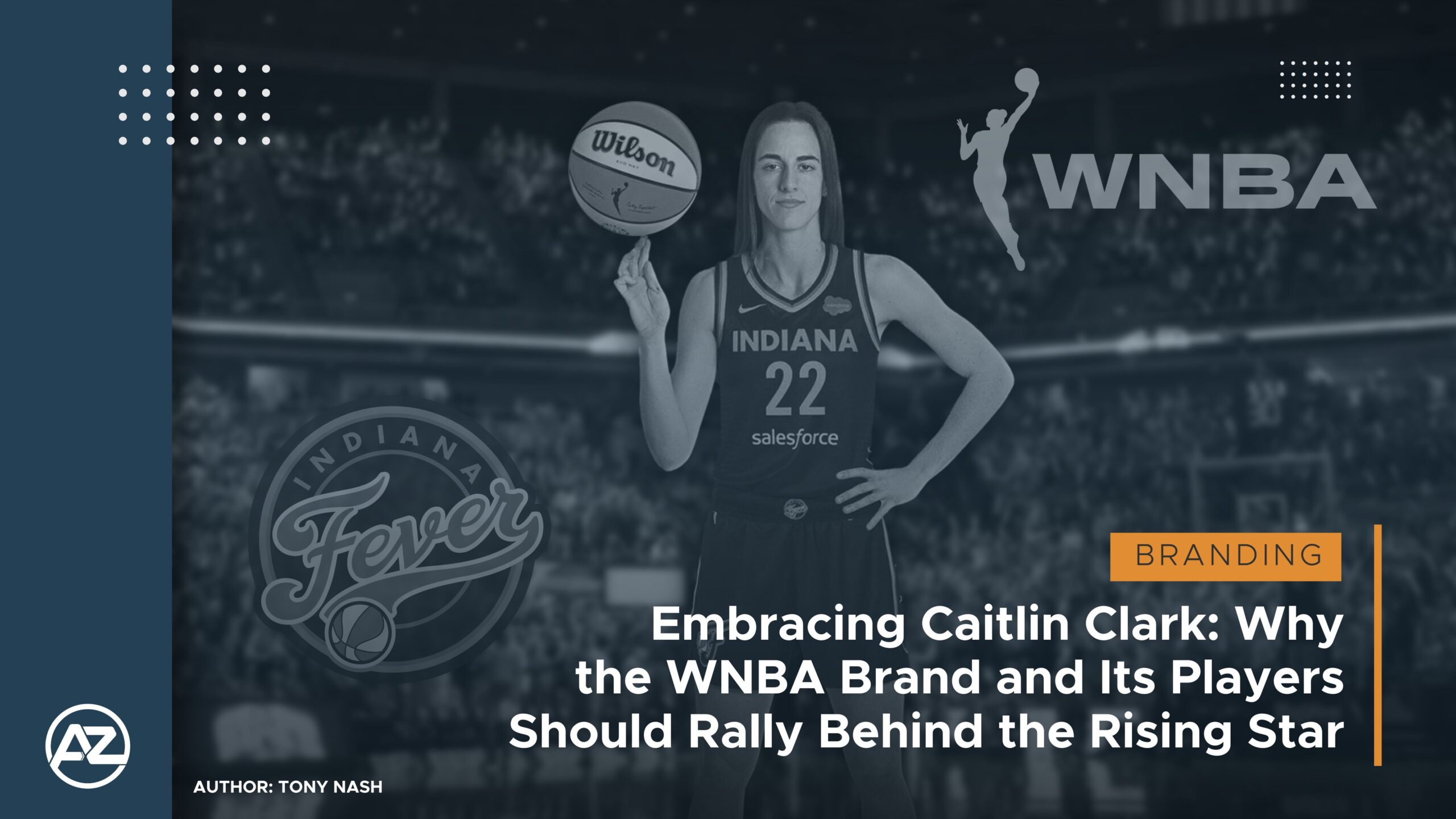
The WNBA finds itself at a critical juncture, poised on the brink of a new era of women’s basketball. With an unprecedented influx of upcoming superstars and talent, including the electrifying Caitlin Clark, the league has the opportunity to captivate a larger audience than ever before. As women’s basketball continues to gain momentum and support, breaking viewer records and shattering expectations during the recent tournament, the WNBA must tread carefully. Losing the potential for growth and fan engagement at this pivotal moment would be a missed opportunity for the entire women’s game. Now more than ever, it’s crucial for the league and its players to embrace rising stars like Clark, harnessing their talent and enthusiasm to elevate the sport to new heights.An estimated 18.9 million viewers tuned in to watch the NCAA Women’s Basketball National Championship matchup between the South Carolina Gamecocks and the Iowa Hawkeyes on ABC and ESPN on Sunday. Viewership peaked at a staggering 24.1 million during the final minutes of the game, marking the largest audience in women’s college basketball history. This historic achievement also solidified it as the most-watched basketball game, at any level, since 2019. The momentum continued with the women’s championship game audience standing as the third women’s basketball viewership record set in the past week, surpassing the 12.3 million viewers for the Iowa-LSU Elite Eight matchup on April 1 and the 14.2 million viewers for the Iowa-UConn Final Four game on April 5. Impressively, viewership for the 2024 women’s championship game saw a remarkable increase of over 90% compared to the previous year and an astonishing surge of over 288% compared to 2022.Meanwhile, in a historic turn of events, the Men’s College Basketball National Championship on Monday, April 8, between the University of Connecticut and Purdue garnered an estimated 14.8 million viewers, nearly 4 million less than the women’s championship. This groundbreaking milestone marks the first time in NCAA tournament history that viewership of the women’s championship game surpassed that of the men’s game. Moreover, it underscores the seismic shift in sports viewership dynamics, with the women’s championship game outperforming any other sporting event on ESPN this year.
The WNBA, a league designed to showcase the talent and prowess of female basketball players, finds itself amidst controversy, this time centered around rising star Caitlin Clark. Her exceptional skills on the college court have garnered widespread attention and anticipation, but criticism and shade from former WNBA players have clouded the excitement, prompting reflection on the state of the league’s brand.
The drama began when Diana Taurasi and Sue Bird, two iconic figures in women’s basketball, made comments on their show reminiscent of the Manning-cast, cautioning against the hype surrounding college players entering the WNBA. While their remarks were not specifically directed at Clark, they underscored the challenges that young athletes face when transitioning to the professional level. Taurasi’s warning about the adjustment period from playing against college-level competition to facing seasoned professionals resonated with many, highlighting the stark realities of the WNBA.
Subsequent remarks from other former players added fuel to the fire, with Breanna Stewart suggesting that Clark needed to win a title to be considered among the best players of all time. Lynette Woodward, whose scoring record Clark surpassed, questioned the validity of Clark’s achievement, citing technicalities and personal biases. These criticisms, whether warranted or not, have cast a shadow over Clark’s accomplishments and raised questions about the integrity of the WNBA’s brand.
Furthermore, the timing and context of these comments have only exacerbated the situation. Taurasi and Bird’s remarks came on the heels of Iowa’s victory over UCONN, leading some to speculate that their criticisms were fueled by personal biases rather than objective analysis. Additionally, Sheryl Swoopes’ disparaging comments about Clark’s game and achievements further muddied the waters, adding unnecessary controversy to an already contentious issue.
As the WNBA grapples with declining viewership and lackluster attendance, the emergence of players like Caitlin Clark should be celebrated as a boon for the league. Her electrifying performances and undeniable talent have the potential to breathe new life into women’s basketball, attracting fans and sponsors alike. However, the current climate of animosity and resentment among former players threatens to undermine these efforts, alienating potential fans and detracting from the positive momentum generated by rising stars like Clark.
In his most recent Netflix special, comedian Bill Burr succinctly captures the essence of the WNBA’s struggle in a comical yet sobering way, highlighting the league’s challenges in drawing viewership and support. Burr’s observation that the league has been playing to sparse crowds for decades underscores a fundamental issue: the disconnect between what viewers want to see and what the WNBA offers. He questions why feminists, who should theoretically be avid supporters of women’s sports, have failed to rally behind the league, suggesting that the absence of widespread enthusiasm may reflect a deeper societal preference for drama and spectacle over athletic competition.
He goes on to highlight the success of reality TV shows like “The Real Housewives” and “The Bachelor” that suggest female audiences are drawn to conflict and controversy, rather than unity and sportsmanship. However, as Burr astutely notes, the financial success of these programs is contingent on viewer demand. If women’s sports are to thrive, they must offer a compelling alternative to the drama-filled narratives that dominate the airwaves, championing teamwork, skill, and athleticism over petty rivalries and personal feuds.
In this context, the criticism directed at Caitlin Clark and other young talents entering the WNBA is particularly troubling. Instead of embracing the potential of these players to invigorate the league and attract new fans, former players have chosen to undermine their achievements and cast doubt on their abilities. This divisive rhetoric only serves to further alienate potential supporters and perpetuate the cycle of negativity that has plagued the WNBA for years.
As the WNBA prepares for the upcoming draft and a new season, it must confront these challenges head-on, fostering a culture of support and empowerment for its players. Celebrating the achievements of athletes like Caitlin Clark, Paige Bueckers, JuJu Watkins and others is essential to reinvigorating interest in women’s basketball and attracting a broader audience. By prioritizing unity over division and athleticism over drama, the WNBA can gain status as a premier sports league and inspire the next generation of female athletes and fans alike.

Connect With Us!
Connect with us today to discover how we can help you grow your brand from A to Z
Related Articles
Caitlin Clark Is Out…Now We Find Out If the WNBA Was Ever Really In
AZEE Branding SolutionsThe 2025 WNBA All-Star Weekend will be the moment of truth. It will reveal, for better or worse, whether the WNBA has actually built something sustainable from Caitlin Clark’s once-in-a-generation momentum or whether they’ve simply been riding...

How Stanley and New Balance Transformed Their Brands by Marketing to Women
AZEE Branding SolutionsIn today's fast-paced market, brands that once catered primarily to men have found massive success by shifting their focus to women. Through social media, influencer marketing, and strategic rebranding, companies like Stanley and New Balance...

The NBA All-Star Game Is Broken: Here’s How to Fix It Before Fans Stop Caring
AZEE Branding SolutionsThe NBA All-Star Game, once a thrilling showcase of the league’s best talents, has become little more than a glorified layup line. The lack of defense and competitive spirit has left fans and analysts alike yearning for something more...